Project Supervisor
Dr Anja Meyer University of Pretoria, South Africa
Dates
2015
Research Description
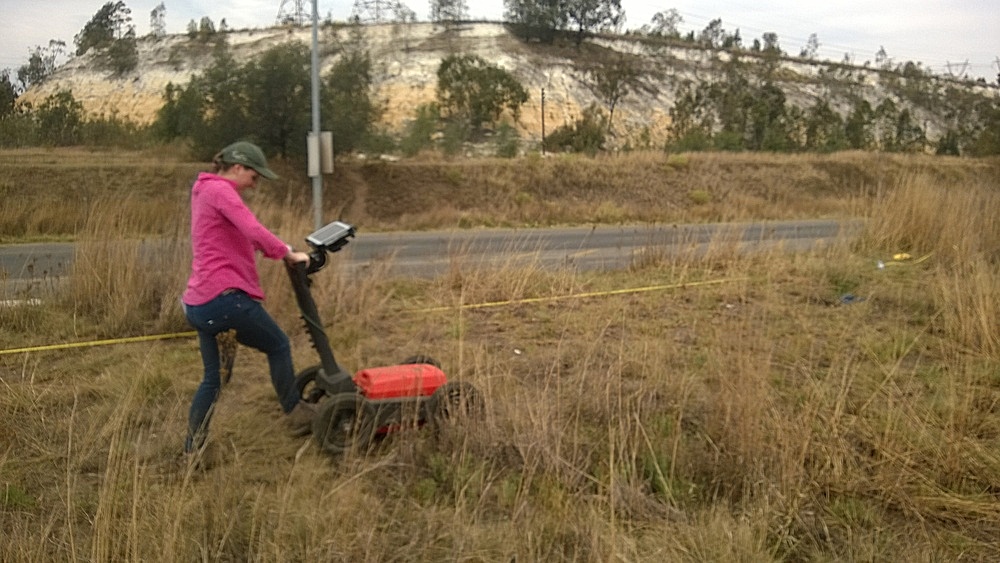
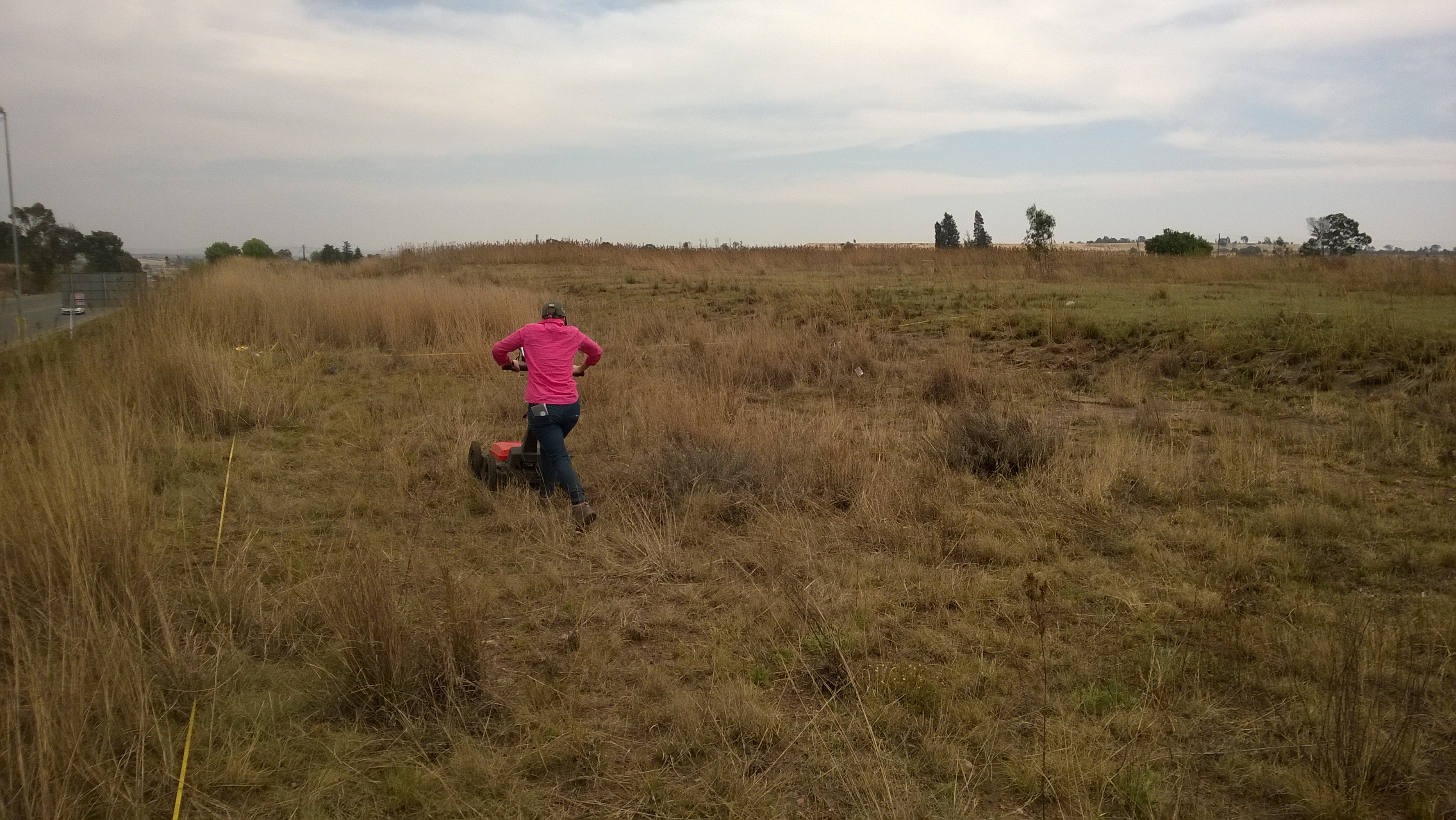
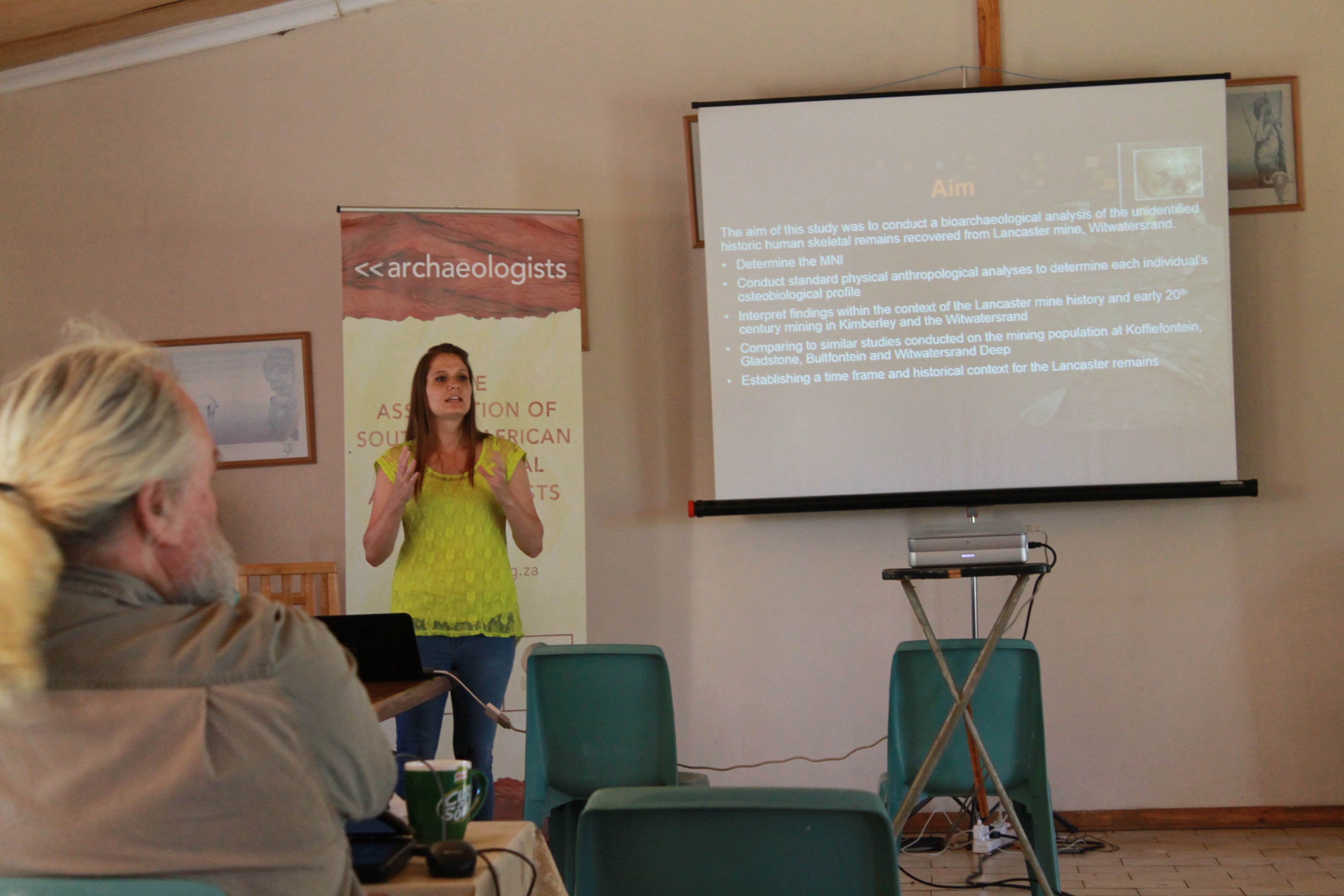
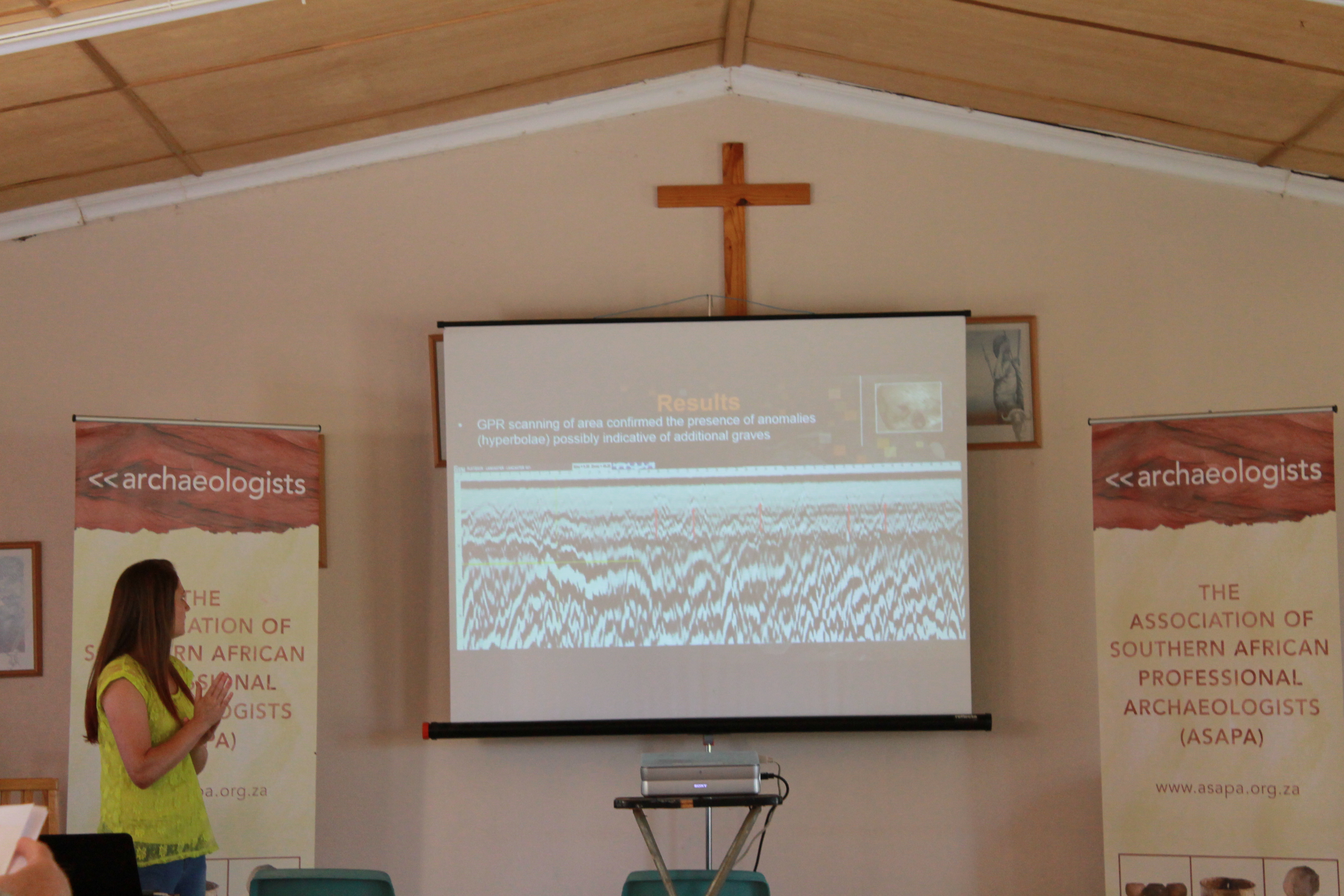
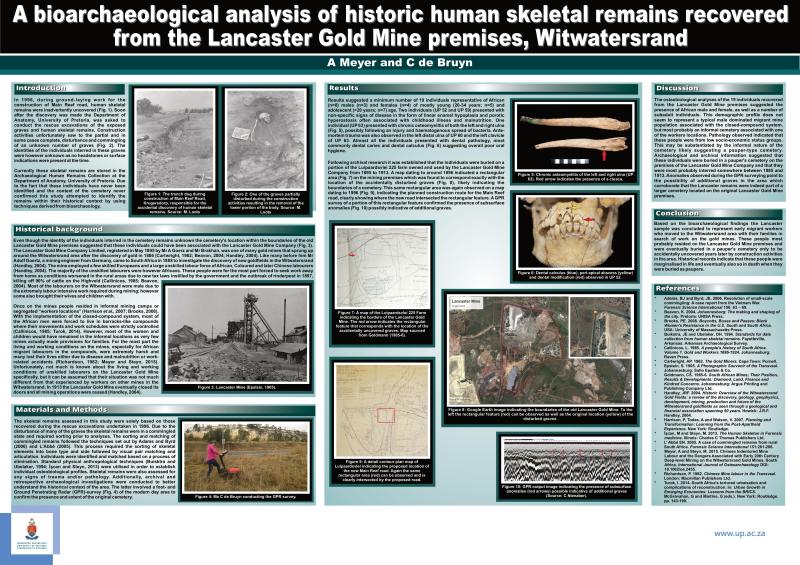
In 1996, during ground-laying work for the construction of Main Reef Road human skeletal remains were inadvertently uncovered. The identities of the remains interred in these graves were unknown. Currently these skeletal remains are stored in the Archaeological Human Remains Collection at the Department of Anatomy, University of Pretoria. Due to the fact that these individuals have never been identified and the context of the cemetery never confirmed this study attempted to identify the remains within their historical context by using techniques derived from bioarchaeology. The aim of this study was therefore to conduct a bioarchaeological analysis of the historic human skeletal remains recovered from Lancaster mine. This was done by means of standard physical anthropological analyses to determine each individual’s osteobiological profile as well as to identify possible indicators of trauma and pathology. Results suggested an MNI of 19 individuals for the Lancaster sample. Of the 19 individuals three were classified as male and four as female. Seven of the individuals were classified as young adults (20-34 years), while seven other individuals were classified as adolescents (<20 years). Infectious disease and non-specific signs of disease were identified indicating the general poor health and harsh living and working conditions often associated with a migrant labourer lifestyle. Archaeological and archival information suggested that these individuals were buried in a pauper’s cemetery on the premises of the Lancaster Gold Mining Company and that they were most probably interred somewhere between 1895 and 1914. Based on the archaeological and physical anthropological findings the Lancaster sample was concluded to represent early migrant workers who moved to the Witwatersrand area with their families prior to the implementation of the closed-compound system. These people most probably worked on gold mines as unskilled mine labourers or in the low income sector in the nearby towns and were forced to live in informal settlements or what was termed worker’s locations where they eventually died as paupers.
Project Articles
Images