Project Supervisors
Dr Claudia Näser and Dr Alice Stevenson
University College London, UK
Dates
2016-2017
Research Description
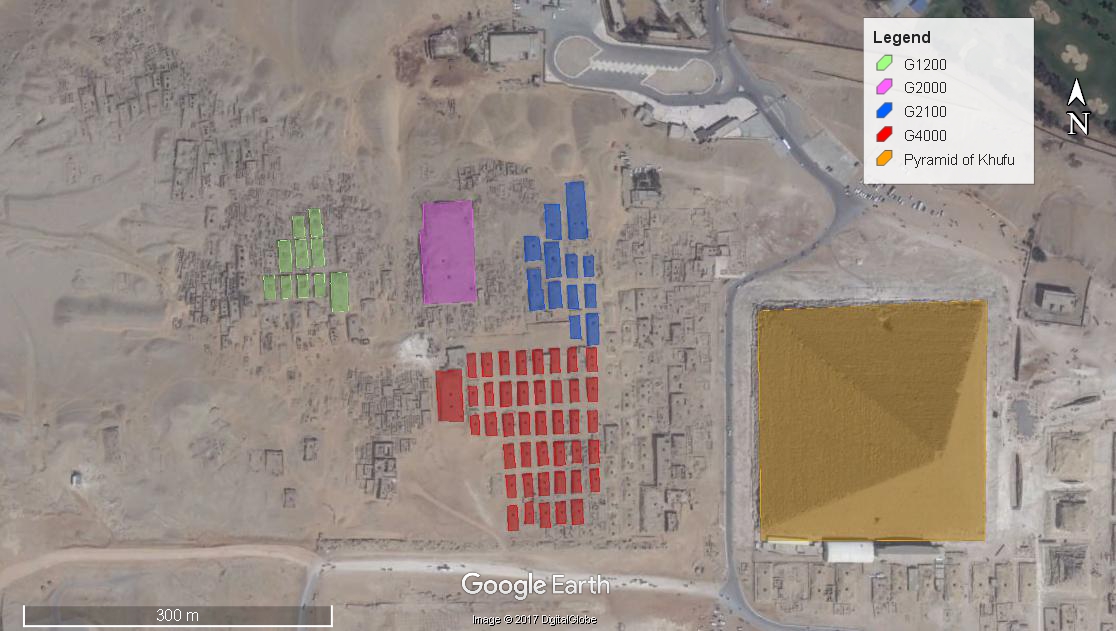
The changing burial equipment found in the Fourth Dynasty royal and elite western cemetery at Giza is the focus of this study. In total 67 mastaba tombs and their burial equipment were studied. These tombs were excavated and documented by Reisner (1942). Although the tombs were thoroughly plundered it was attempted to understand the reasons that led to the sparse and changing burial equipment. Of interest in this study was the function of the pottery and vessels as well as the model vessels and model copper tools found in the burial chambers and shafts of the tombs. The theoretical themes explored included agency, structure and social identities. Burial equipment in these tombs were included to fulfil a specific purpose which was related to equipping the deceased in the afterlife. The model vessels and tools found in the tombs were loaded with symbolism and meaning and formed part of the funerary behaviour and rituals. From the data, it was concluded that changes in the burial equipment are related to an increase in tomb decoration and the development of the mastaba superstructure. The changes observed in the Fourth Dynasty architecture, decoration and burial equipment were employed by the Ancient Egyptians so that they could have a prosperous afterlife.
Images