The new PhD cycle begins. Like all cycles, it can be monotonous. Instead, break the cycle, start something new, and ask for directions.
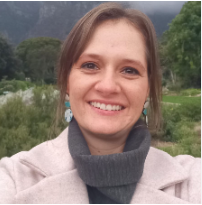
by Cherene de Bruyn
PUBLISHED: 3 September 2025 on Substack
Like bears and chipmunks returning to the world after hibernation, campuses around UK universities are slowly starting to come to life as PhD students return to face another year. With the glow of summer still shining on their tanned skin, many are making the journey back into the lab. While still early in Autumn, this new season marks the next cycle in the PhD calendar.
New year = New you
Unpopular opinion - September is a good time to start new year’s resolutions. Especially in academia.
Unlike the resolutions nobody keeps in January, September is a great month to set things in motion, specifically the things we have been meaning to do, but kept putting off. It is perfect because there is no pressure. Additionally, having returned refreshed and with new energy means we will probably stick to new habits and schedules.
Since things are not fully back into swing yet, there is time for some reflection on the previous year - including missed opportunities and areas of growth. Like night-time vision goggles, this new insight equips PhD students for unexpected opportunities and challenges, providing clear vision on how to navigate the journey ahead.
An unexpected benefit of starting your resolutions in September is that in January, when everyone else commits to their yearly Aspirational To-Do Lists, you will be one step ahead, already having made actual strides in achieving yours. Leaving the Goal-Setting Masochists in the dust - envious. This idea was also discussed by Cal Newport in a 2023 Deep Life podcast episode.
A change is as good as a holiday…. well maybe…
Armed with new energy, it is easy to steamroll your way into productive effort. Unfortunately, the organic machines we call our bodies do not have the capacity to store up all the energy we need to burn through endless academic papers and late-night experiments - even fuelled by cups of caffeine and Haribos.
Like a steam train without coal, we will burn out quickly. After pushing forward up a hill, once at the top, it might be time to change the gears and power down. Take this time to slow down, catch a breath and replenish. Maintaining momentum is good, but blocks of focused productivity coupled with breaks are not only going to make sure you reach your destination, but also ensure you enjoy the ride.
From the start of the PhD, many meetings begin with the end in sight. We kind of work our way backwards, planning deadlines and milestones, neatly organised in a Gantt chart. While the longed-for tap on the head and shaking of hands as we walk across the stage, final degree in hand, is the goal, the path we choose to get there will define us in the end.
Teethless zombiefied PhDs slouching their way across the stage is not the image your university wants to portray to future graduates and their families, or yours, for that matter. Guaranteed, it is not going to be a memory you will reflect fondly upon. Worse even, you don’t want to cross the stage thinking you are the same person you were when you started your PhD. Trains staying at the station don’t go anywhere. They don’t see the world. Importantly, they are of no value to the traveller. PhDs are meant to be transformative, taking you from point A to point B - and never in a straight line. Luckily, we can set the pace and direction of this transformation. So, to avoid this unfortunate disaster, plan your year and take your annual leave. Most importantly, take care of your health - physically and mentally.
Ask for directions
No one really talks about how difficult it is to discover something new. No one also talks about the pressure of having to discover something new before your funding (if you have it) runs out. It’s overwhelming, and makes many of us (been there..) feel very stupid.
While this feeling is unnerving and uncomfortable, PhD students can ask for help. They can ask for clarification, and they can ask for direction. It is not shameful, and it is not a reflection of your intellectual abilities. (I would add in before pestering your supervisor with a million questions you could have answered yourself (many of which are absolutely important only to you), to make sure you adequately exploit your university’s resources, Mr Google and Chat GPT (not for writing and checking sources as always)).
I would also encourage PhDs to question everything. Challenge ideas, explore loopholes. That is why you are here. Generally, it is in these in-between spaces where discovery is made. Also, develop the common sense to abandon ship on ideas if they are not leading anywhere or distracting you from your main focus.
There is a Japanese saying: “If you get on the wrong train, get off at the nearest station. The longer it takes you to get off, the more expensive the return trip will be.” The biggest expense in the PhD journey is your time, and you don’t have a lot of it.
So be curious, but also be smart.
As the new academic year unfolds, be brave and carve out your own journey, take risks, take holidays and lean on your support!
Till next week.
Stay curious. Stay kind. Begin again – redirected!
BruynChild